

Kenya and Tanzania, two East African nations rich in cultural heritage, offer travelers the opportunity to immerse themselves in the vibrant traditions of the Maasai and Swahili peoples. From ancient rituals and ceremonies to colorful festivals and daily life, these cultures provide a fascinating glimpse into the diversity and history of the region. Join us as we explore the unique traditions of the Maasai and Swahili and discover the enriching cultural experiences awaiting visitors to Kenya and Tanzania.

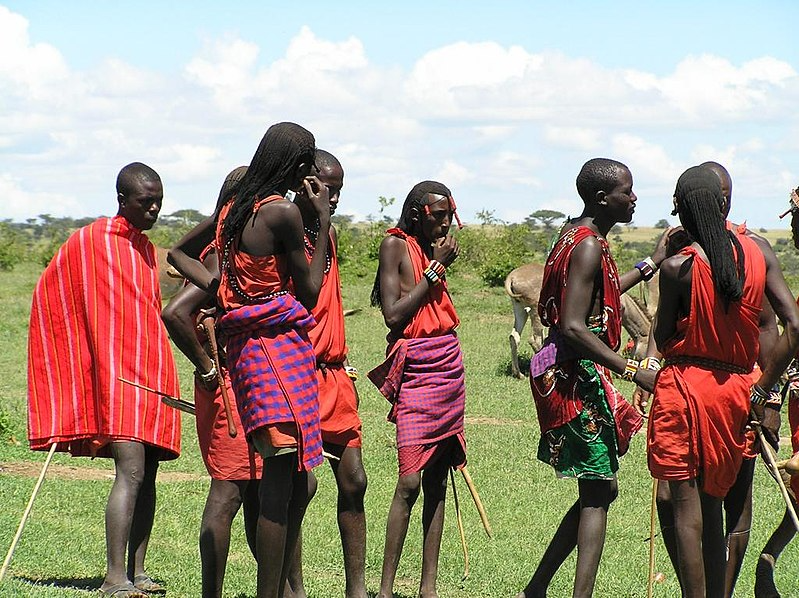
The Maasai: Guardians of Tradition The Maasai people are one of East Africa's most iconic and recognizable ethnic groups, known for their distinctive dress, warrior culture, and semi-nomadic lifestyle. Traditionally pastoralists, the Maasai have inhabited the plains of Kenya and Tanzania for centuries, living in harmony with the land and their livestock.
Maasai Cultural Experiences: Visitors to Kenya and Tanzania can engage with Maasai culture through a variety of immersive experiences. Many Maasai villages welcome guests to learn about their traditions, including beadwork, song and dance, and the sacred rituals of age-old ceremonies such as the rite of passage into adulthood. Travelers can also participate in guided nature walks with Maasai guides, gaining insights into their deep connection to the land and wildlife.
Swahili Culture: The Fusion of Traditions The Swahili people are coastal dwellers whose culture is a blend of indigenous African, Arab, Persian, and European influences. Swahili culture is characterized by its rich history, vibrant art, and cuisine influenced by centuries of trade and interaction along the East African coast.
Swahili Cultural Experiences: In coastal towns such as Lamu, Zanzibar, and Mombasa, visitors can explore Swahili culture through guided tours of historic sites, visits to local markets, and interactions with artisans practicing traditional crafts such as woodcarving, dhow building, and Swahili cuisine. The Swahili language, a lingua franca spoken throughout East Africa, provides a window into the region's cultural diversity and heritage.
Preserving Cultural Heritage: Despite modernization and globalization, both the Maasai and Swahili communities remain steadfast in their efforts to preserve their cultural heritage for future generations. Initiatives such as cultural tourism, community-based conservation projects, and educational programs empower local communities to share their traditions with the world while maintaining their identity and way of life.
Embracing Diversity: By embracing the traditions of the Maasai and Swahili peoples, travelers to Kenya and Tanzania can gain a deeper understanding of the region's rich cultural tapestry and the interconnectedness of its people. Whether participating in a Maasai dance ceremony, savoring Swahili cuisine, or exploring ancient ruins along the coast, cultural encounters in East Africa offer invaluable insights and memories that will last a lifetime.
Final Thoughts: As travelers journey through Kenya and Tanzania, they are invited to embark on a cultural odyssey that celebrates the traditions, customs, and heritage of the Maasai and Swahili peoples. By engaging with local communities, supporting cultural initiatives, and fostering mutual respect and understanding, visitors can contribute to the preservation and appreciation of East Africa's diverse cultural heritage for generations to come.
